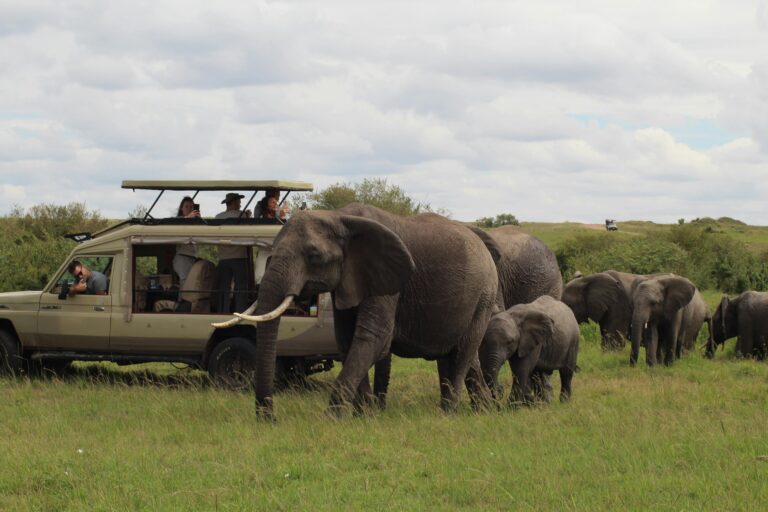
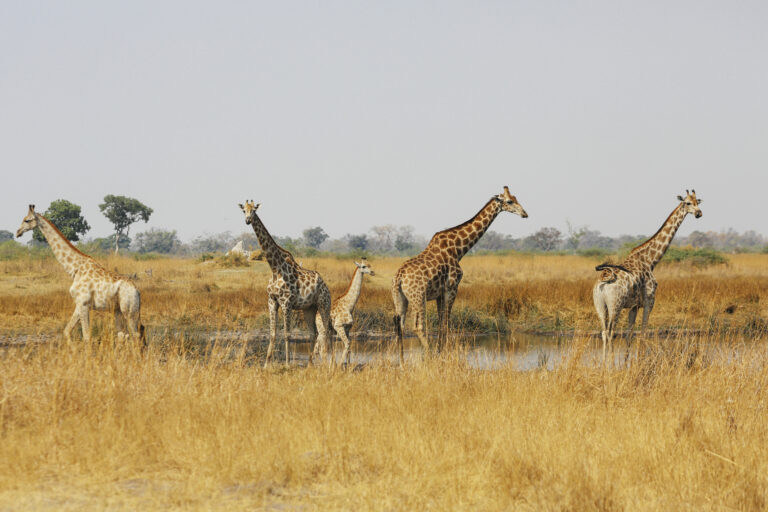
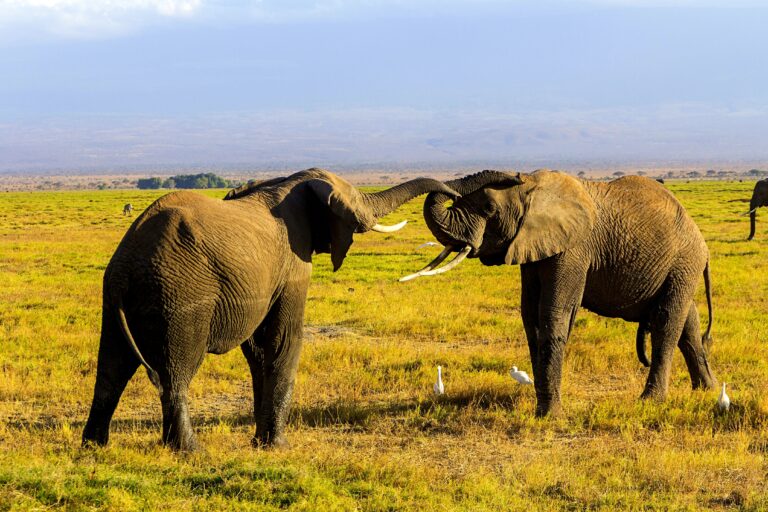
The Great Wildebeest Migration is not a single event. It is a year-round movement of wildebeest, zebras, and gazelles following rain and fresh grass across the Serengeti-Mara ecosystem. Planning well means choosing the right region for your travel month.
From January to March, focus on Ndutu and the southern Serengeti plains. This is calving season, when thousands of wildebeest calves are born. The open plains are ideal for cheetah sightings, and predator activity can be intense.
April and May are wetter months, and the herds begin shifting as the plains change. This can be a quieter and greener period, suitable for travellers who do not mind flexible conditions.
June and July often bring movement through the central and western Serengeti. Depending on rainfall, herds may gather near the Grumeti region. This period can offer excellent general wildlife and the possibility of dramatic river scenes.
August to October is the classic northern Serengeti period, when many travellers hope for Mara River crossings. Crossings depend on herd movement, weather, and animal behaviour, so patience is important. A stay of three or more nights in the north improves your chances.
November and December usually see the herds moving back south as short rains refresh the plains. This is a beautiful time for green landscapes and fewer crowds than peak crossing season.
The biggest mistake is booking the wrong Serengeti area for your month. The park is huge, and a migration-focused safari should place you close to the likely herd movement. A good itinerary follows the season instead of treating the Serengeti as one fixed location.