You do not need to be a professional photographer to return from Tanzania with beautiful safari images. The most important ingredients are patience, light, stability, and an understanding of animal behaviour.
Early morning and late afternoon are the best times for photography. The light is softer, wildlife is more active, and landscapes glow with warmer colour. Midday can still be useful for close sightings, but harsh light makes exposure more difficult.
If you use a camera, a zoom lens is helpful. Something in the 100-400mm range is excellent for wildlife, while a wider lens works for landscapes, lodges, and people. Bring extra batteries and memory cards because charging can be limited during long days.
Keep your shutter speed high for moving animals, especially birds, running wildebeest, or active predators. For still animals, focus on the eyes. A sharp eye brings life to the image.
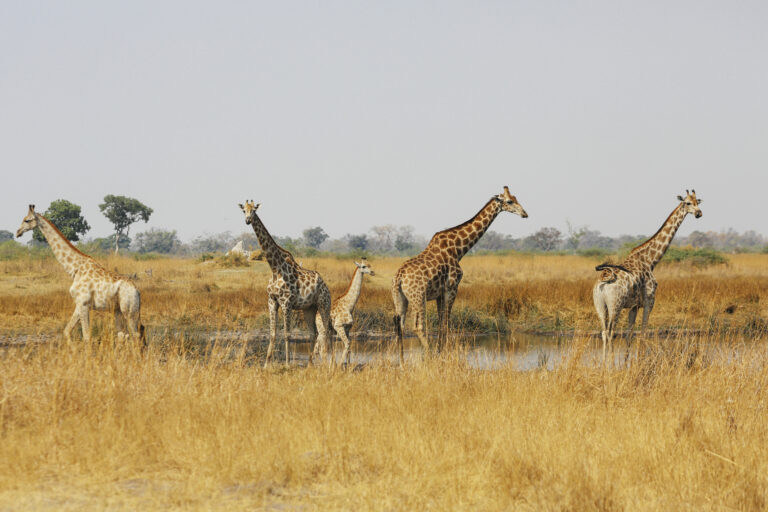
Composition matters. Leave space in the direction an animal is looking or moving. Include habitat when it tells the story: a leopard in an acacia, elephants under baobabs, or giraffes against the escarpment.
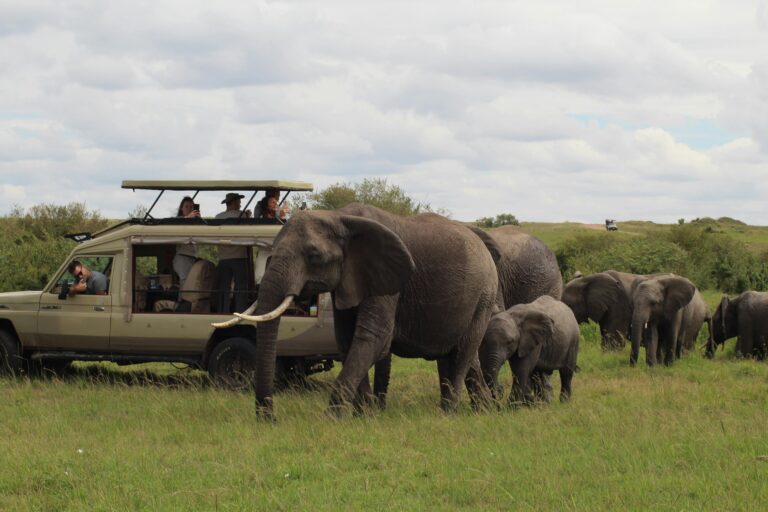
Respect vehicle etiquette. Move slowly, avoid blocking others, and listen to your guide. Never ask a guide to pressure wildlife for a photo. The best images come from calm observation, not disturbance.
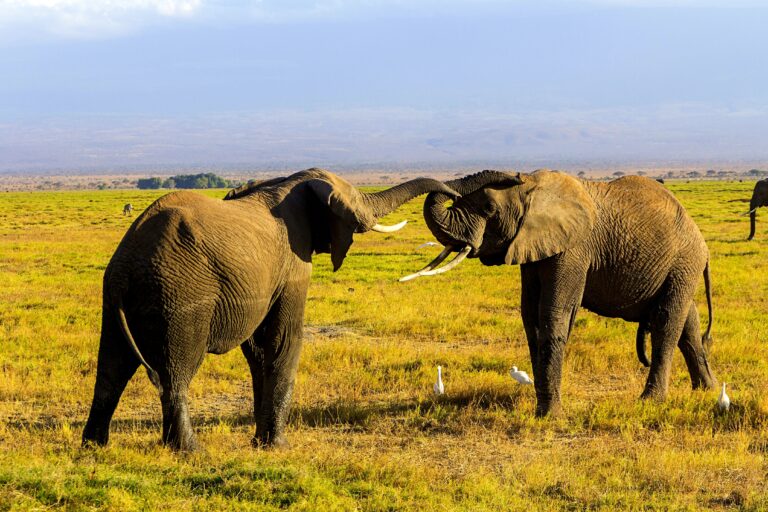
Phones are also useful. Clean your lens, tap to focus, avoid too much digital zoom, and use video for behaviour such as elephants interacting or lions calling.
The best safari photo is not always the closest one. Often it is the image that captures mood, scale, and the feeling of being there.